How to plan an island-hopping adventure
Boats, weather, group size and money: the four things that decide whether an island-hopping trip works, from someone who prices them for a living.
2 September 2026 · 7 minute read
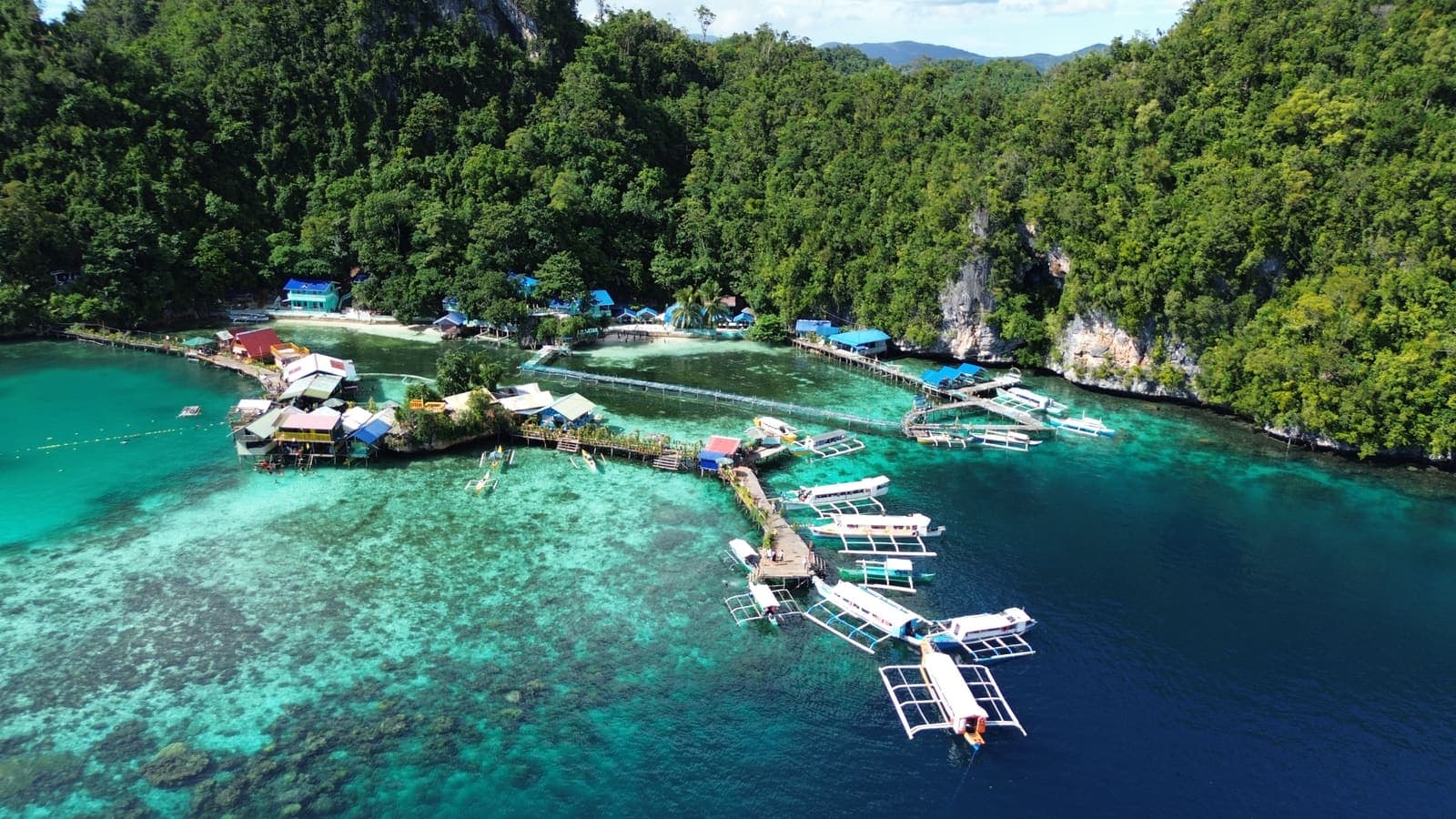
Island hopping looks spontaneous and is not. Behind every good day on the water there is a boat booked the night before, a weather call made at dawn, and a group size that made the numbers work. Here is how those four things fit together.
The boat is the trip
In most of the Philippines you are not buying a seat, you are buying a boat. Local boat operators' associations set standard fares by group size and route, every operator on the island pays the same rates, and the price is for the vessel whether four people or ten are on it.
Two consequences follow. First, small groups pay a lot per person and large groups pay very little — the per-head cost can halve between two travellers and six. Second, no operator on a given island has a cost advantage on the water, so anyone competing purely on price is cutting their own margin, not finding you a better boat.
Fares step, they do not slide
Association fare tables move in bands — one price up to ten passengers, another up to twenty, another above that. The jumps at the boundaries can be steep.
The practical effect is that a group of twenty-one may pay dramatically more than a group of twenty, and two boats of twenty can genuinely beat one boat of twenty-one. If your group is near a boundary, ask the operator to show you both options.
Book combinations, not days
Where an island has two hopping routes, there is almost always a combined multi-day rate well below the sum of two single days. Book the combination if you are doing both. This is the single easiest saving available and it is rarely offered unprompted.
The weather call is not yours
Sailing is decided by the coastguard on the morning, not by the forecast you read the night before or by how far you travelled to be there. Any operator who promises to sail regardless is telling you something important about how they run their boats.
Plan for it structurally: an extra day in the itinerary, and a land alternative you would actually enjoy. On islands with an inland circuit, that is the natural swap.
Money on the water
Bring cash. Island fees, guides and boat crews settle in cash on the day, often before departure, and mobile payment depends on a signal that comes and goes. Cards are for the town, not the water.
Budget separately for the things that never appear in a headline price: environmental and island fees per person per day, lunch, drinking water, and snorkel hire if it is not included.
Sequence the day around the light
Leave early. Water clarity is best in the morning, the wind usually gets up in the afternoon, and shade on most island stops is limited to a few trees. The best-run days start before eight and are off the water by four — which leaves the evening for the part of an island most itineraries never touch.