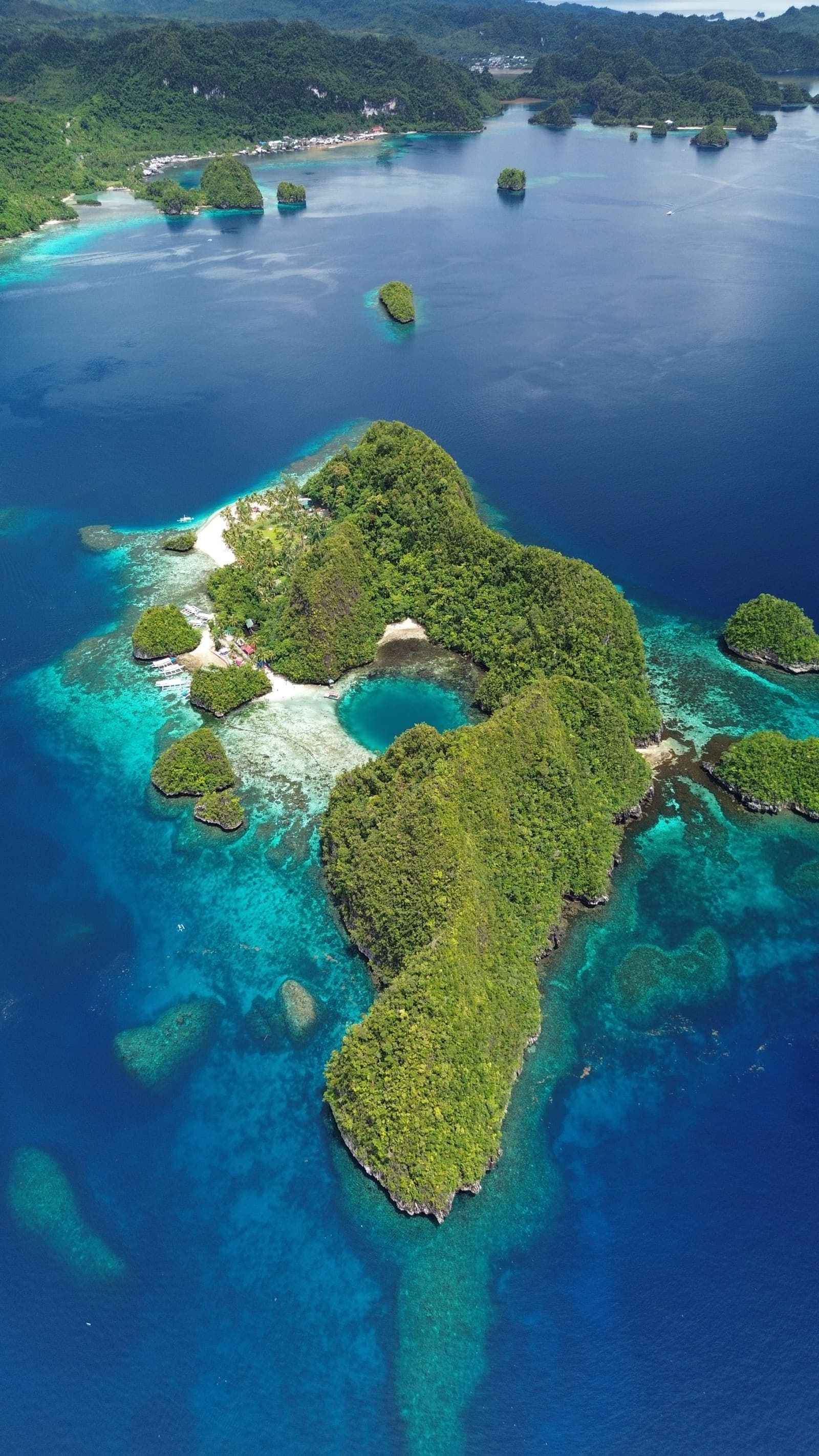
Hidden beaches in the Philippines worth discovering
What actually makes a beach hard to reach in an archipelago of seven thousand islands — and how to find the ones still worth the effort.
28 August 2026 · 6 minute read
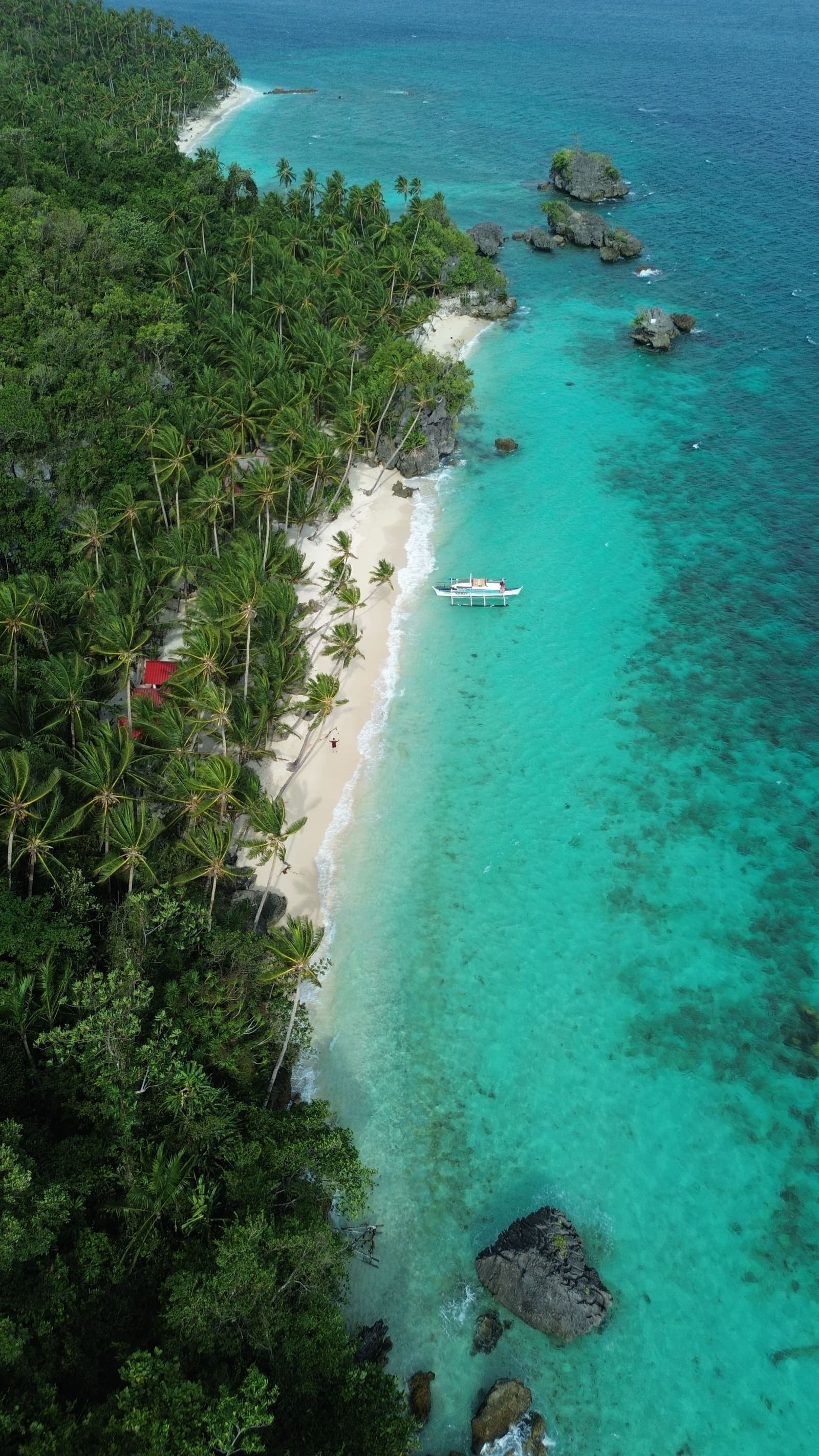
"Hidden" is the most abused word in Philippine travel writing. Most beaches described that way have a car park. The ones that genuinely are not on the circuit tend to share three specific characteristics, and once you know them you can find them yourself.
They are one connection too far
The Philippines has around forty commercial airports. Anywhere reachable in a single flight from Manila or Cebu is, by definition, already on the map. The quiet places sit one leg beyond that: a flight, then a ferry, then a road.
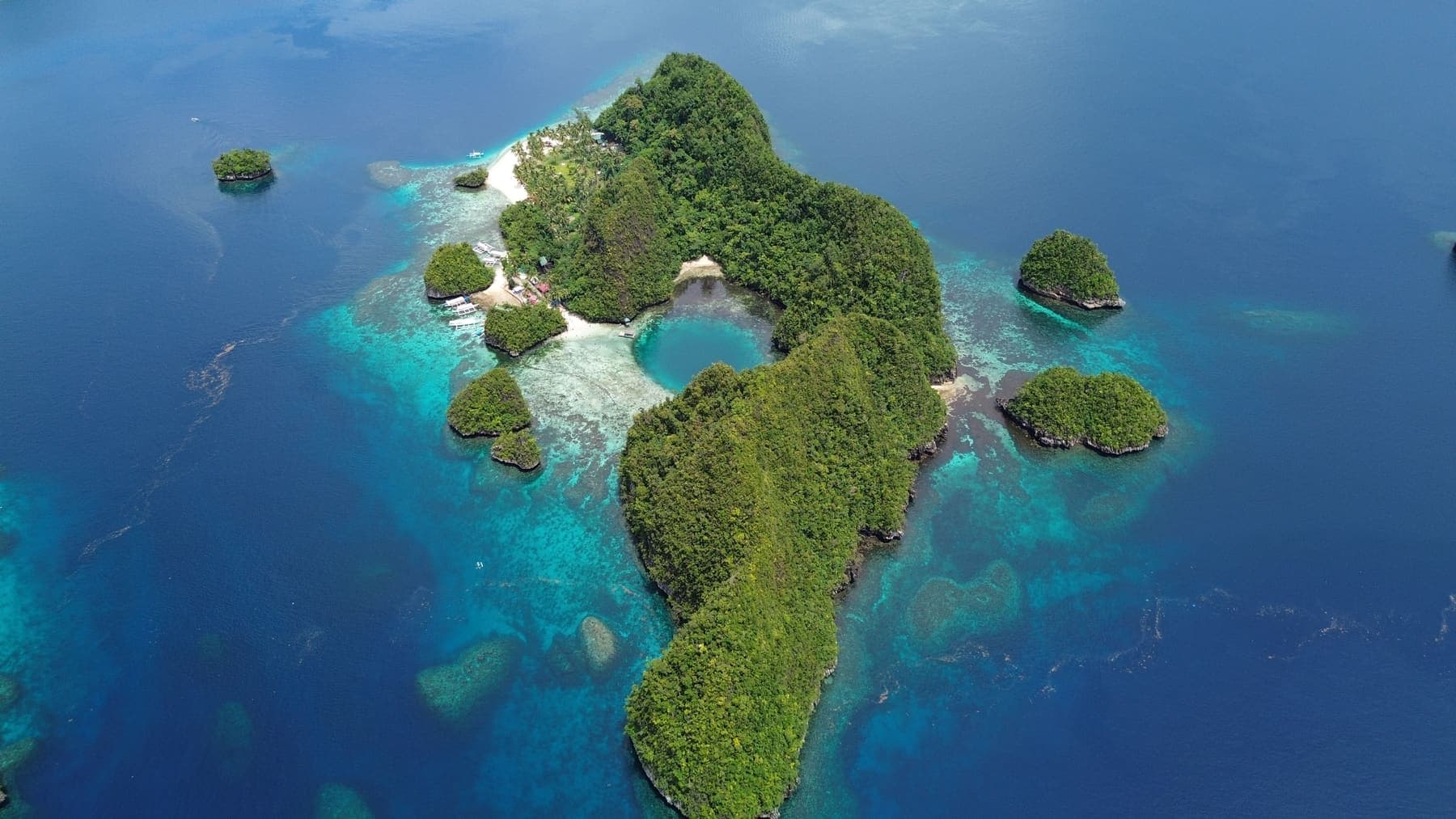
Dinagat Islands is the clearest example in Mindanao. It is an hour by fastcraft from Surigao City, which is itself a short flight from Cebu — and that one extra crossing is enough to keep visitor numbers low.
They have an economy that is not tourism
Beaches stay quiet when the town around them does something else for a living. Fishing, mining, farming, seaweed. Those places have working ports rather than resort strips, and the difference shows up in what you can and cannot buy when you get there.
The trade is straightforward: fewer people on the sand, fewer places to eat. Plan around it rather than being surprised by it.
The sea closes sometimes
Any coastline where boats cannot sail for part of the year develops fewer beach resorts, because the business case is seasonal. On the Pacific side of Mindanao the northeast monsoon shuts crossings for stretches between November and January.
That same seasonality is what keeps the shoulder months quiet and the water clear.
How to actually find them
Start with the provincial tourism office rather than an aggregator. Every province publishes a list of accredited operators, and those lists are the fastest way to find out who is actually running trips somewhere.
Then read what the operators leave out. An itinerary that ends at half past three tells you there is nothing organised in the evening. A route that visits four stops in a day tells you the crossings are short. Absences describe a place as well as photographs do.
Go with the people who live there
The last thing worth saying is not about logistics. Places stay worth visiting when the money from visiting them stays local — the boat crew, the guide, the kitchen, the family renting the room. That is easier to arrange in the quiet places than in the busy ones, and it is most of the reason the quiet ones remain worth the trip.